Fence Company Safety And Security Requirements
Fence job looks simple from a distance: established messages, hang rails, make it look clean. Up close, it is a construction work with real dangers concealing in ordinary sight. The back of a pickup bed can become a hand injury website if you are careless filling steel. A hefty post can swing like a pendulum during placement. A mill can attack fast, and so can a line trimmer when you forget you are basing on unequal ground. When individuals hire a fence company, they normally discuss aesthetic appeals, preparation, and guarantee protection. What maintains every person coming home safe is the business's security standards, the ones that stay in jobsite routines, not simply in a binder.
I have actually found out to judge a fence company by little signals. Do they deal with pre-task planning like a habit, not paperwork? Do supervisors quit and reset when conditions alter, like weather condition shifts or a gas line turns up on a significant map? Do they have a way to manage the "we have to rush" moments without transforming them right into shortcuts? The very best safety and security standards are not inflexible slogans. They are practical decisions made under pressure.
Safety starts prior to the crew ever touches a tool
The most remarkable injuries I have actually seen were preceded by mundane blunders: incorrect measurements, missing energies confirmation, unclear responsibilities for training, and a "that's not our problem" mindset concerning the area around the job. Fence company safety standards need to begin with the pre-mobilization stage, because the jobsite is where threats expose themselves, however planning is where you learn what is waiting.
A great work preparation session includes a genuine website testimonial, consisting of surface areas, slope, and gain access to. If the great deal is tight, you do not simply note it. You decide how the crew will stage materials, where devices will park, and exactly how you will move long rails without wrestling them via entrances. If the ground is rockier than anticipated, the requirement must cause a change in footing method instead of a "muscle it in" response.
Weather is another early decision point. Fencing staffs can operate in warm, however the criteria must define when you stop briefly, when you hydrate boldy, and how you take care of fatigue. Wind issues too, especially when cutting or dealing with large panels. I have seen an installer try to hold a fencing section while an additional person cut ends in gusty conditions, and the panel changed just enough to make the job unsafe. Wind does not respect schedules.
Utilities are the huge one. Also when an area is marked, marks can be wrong, faded, or insufficient. A strong requirement needs confirming what lies near your dig factors and defining what occurs if a pen is missing out on or uncertain. If the team needs to dig near something unpredictable, the safety requirement need to need a different approach, like hand digging or making use of non-invasive finding methods, till the threat is understood.
The core threats in fence installation
A fencing work is a chain of tasks, and each link has its very own dangers. Safety and security standards function best when they do not deal with "safety" as one blanket demand. They require to map the risks to the jobs the crew in fact does.
Post setting: back injuries, squeeze points, and struck-by incidents
Post setting is where I most often see agonizing injuries. Articles are awkward, heavy, and uncertain when they start to move. If your team uses augers, tampers, or mechanical lifts, safety requirements ought to clearly cover exactly how operators control the devices and exactly how helpers stay placed. The "stand ideal alongside it" behavior threatens, especially when a blog post is being straightened or when concrete is being combined and poured.
Pinch points appear throughout positioning and bracing. Also a carefully placed post can move when a worker loosens a strap or releases a brace. Struck-by cases prevail when a person strolls into the swing course of a device, an article being brought, or a section being raised right into setting. An excellent criterion establishes clear exemption zones and enhances that the person holding a line, a tape, or a degree is not the same individual that needs to remain in the provider's path.
Cutting, grinding, and attachment: eye injuries and burns
Fence crews live around metal and dealt with lumber, which suggests cutting and grinding are regular. Security criteria ought to treat eye security as non-negotiable, not optional. I have actually seen tiny chips end up being major injuries when someone "simply" looked over a mill to inspect the cut line.

Gloves aid, but they are not magic. Some gloves minimize grasp and can be dangerous around turning devices. Requirement needs to specify proper gloves for the task, not simply "use handwear covers" as a generic line. If the crew utilizes power tools, the requirements need to additionally cover guard usage, trigger control, and exactly how cords are directed to stop trips.
Concrete blending and pouring bring another hazard. Wet concrete is caustic, and dashes can melt skin rapidly. A business's safety criterion must consist of eye and hand protection when dealing with concrete items and a clear prepare for wash and first aid access.
Trenching and digging: collapse risk and utility surprises
If your fence layout requires deeper footings, excavating becomes a hazard category by itself. Also tiny trenches can end up being unsteady depending upon dirt type. Safety requirements need to attend to exactly how deep dig work is done, how dirt is managed, and how workers place themselves to prevent collapse or entrapment.
The utility problem likewise proceeds past the first find. If you struck something unanticipated, the requirement needs to need quiting and escalating. A fence company safety and security plan requires the authority for the supervisor to stop work and require assistance without really feeling punished for doing the ideal thing.
Weather and terrain: slides, drops, and visibility issues
Slips and drops are common when crews deal with unequal ground, slopes, or damp surface areas after rainfall. Requirement should cover footwear demands and product handling on inclines. A panel lugged downhill can pick up speed and come to be unmanageable.
Visibility transforms the calculus too. If the team is working near a street or driveway, web traffic control enters into security standards, not a second thought. A crew can do everything right in building and construction, after that get blindsided by a car while dumping devices. High-visibility equipment, risk-free staging, and clear interaction with the home owner or residential property manager can protect against these scenarios.
What "great" security standards appear like in a fencing company
Safety standards are usually criticized for being as well bureaucratic. The most effective ones stay clear of that trap. They are composed in a way that supports the team's decisions, not just compliance.
In a fence company, the requirements I trust have 3 qualities:
First, they are specific to fence tasks. A common building security plan that mentions "different website risks" is inadequate. The fence company security standards should talk about digging, lifting, power tools, cutting, and product handling, since those are the work's realities.
Second, they are enforceable at the factor of job. A foreman ought to be able to point to a typical and claim, "This uses below." If the standard is unclear, the crew will fill the gap with uncertainty, and uncertainty is where injuries happen.
Third, they mirror neighborhood conditions. Soil type, typical weather patterns, normal fencing layouts, and readily available equipment vary by area. A solid fence company security program adapts to those variables instead of replicating a theme from one more state.
Personal protective equipment: not simply "PPE," yet the ideal PPE
PPE is the last line of protection, but it is still a powerful one when it is selected correctly and worn continually. For fence installment, eye security is fundamental throughout cutting, exploration, grinding, and even when blending concrete. Handwear covers matter throughout handling of steel elements and when collaborating with treated timber, because splinters and sharp sides are part of the job.
Hearing defense is entitled to the same level of interest. Augers, saws, and mills can construct fatigue swiftly. Fatigue is a threat, and hearing damages is irreversible. I have seen teams power with loud metal paling fencing tasks much longer than they need to due to the fact that nobody timed breaks. Security criteria should specify break pacing and consist of listening to security in the kit, not as a spare.
Footwear is one more location where "sufficient" gets on threat. Steel-toe boots can be appropriate for several fence sites, specifically where materials are organized. The trick is grip. A boot with slick soles on wet crushed rock is primarily a threat amplifier. An excellent safety standard concentrates on grip, ankle joint assistance, and protection against dropping objects.
Finally, visibility gear assists on work near roads. If your crew is working near driveways, safety and security vests and reflective components are not vanity. They keep the team seen while unloading and relocating tools.
Training that sticks: drills, not lectures
Fence firm safety and security criteria must include training that matches exactly how teams in fact work. Among the most significant gaps I have seen is that training typically takes place once, at onboarding, and then goes away. A criterion should call for routine refresher course minutes, short toolbox talks that link to the present work.
This sort of training is most reliable when it is secured to occurrences, near misses, and "look out" from actual jobs. A foreman narrating regarding a close phone call with a mill guard is far more memorable than reading a generic policy. The team discovers context, not just rules.
Also, training must deal with interaction. Lots of injuries start with confusion. That is lifting? That is aligning? Who is holding the brace? That is standing where? A criterion should require a basic approach for handoffs and direction, like a clear signal between the individual operating tools and the person directing positioning. If the team uses walkie talkies, the safety criterion need to include radio discipline so workers do not disregard their surroundings while chatting.
Equipment security: augers, lifts, and power tools
If you run power devices on a fence work, the requirements should cover more than the device kind. They must cover just how the crew inspects it, exactly how it is moved, and what "secure operation" suggests for that particular equipment.
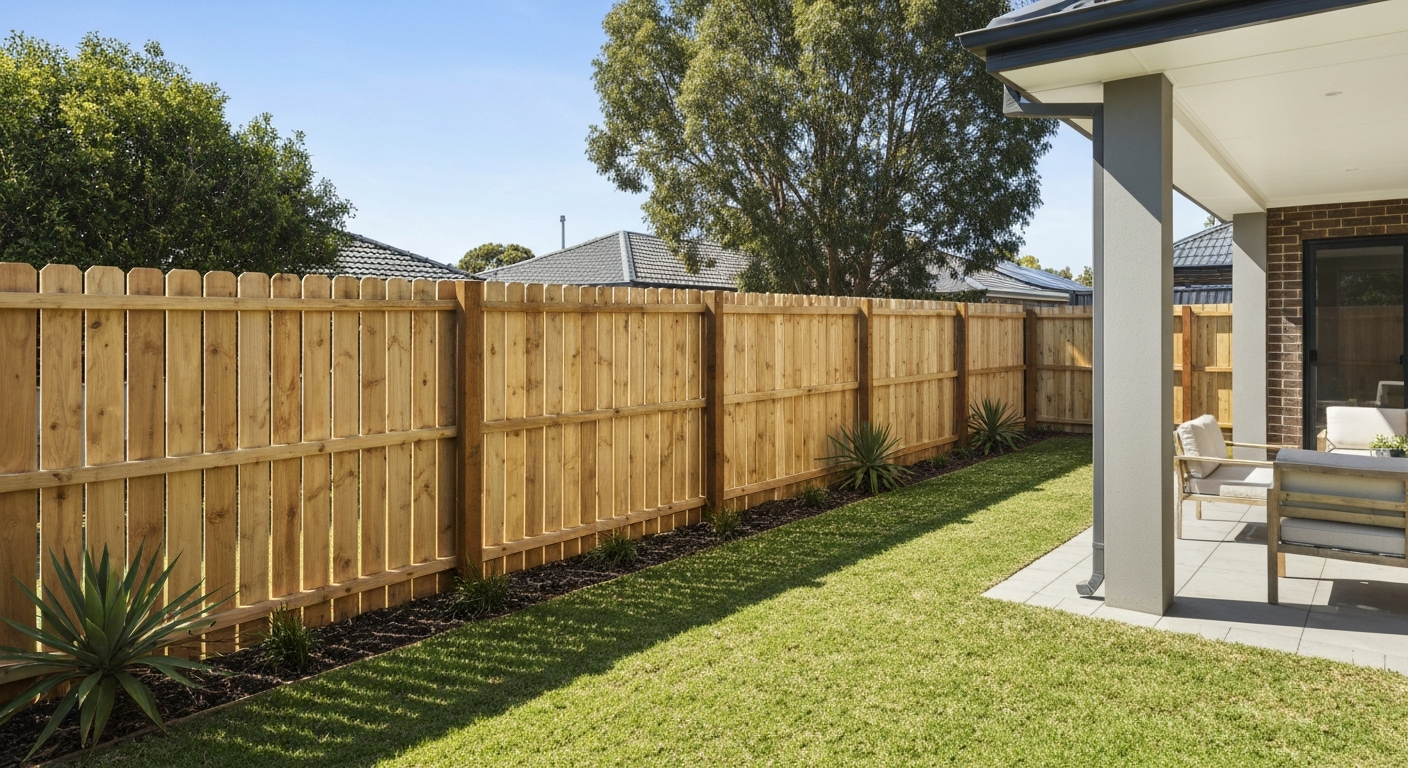
Augers and trenching add-ons require guard checks and steady setup. If an auger bit is plain or improperly affixed, the device can bind and kick. A safety standard must require quiting to remedy the configuration instead of proceeding with binding, since binding usually causes loss of control.
When lifts or tools are used to move fencing panels or long blog posts, the requirement must define obligations. Devices and products are not just heavy, they are likewise long, and long items can hit individuals and structures promptly. I prefer a standard that calls for a designated spotter when relocating panels via tight spaces. That decreases hurried improvisation.
Power cables and expansion setups are entitled to unique focus. Trip threats prevail when cables cross job courses, particularly around corners, ramps, and unequal surfaces. A safety criterion must require cable administration, like directing cables away from web traffic lanes or securing them so they do not produce a trap.
Concrete, chemicals, and the hidden "fine print" risks
Fence installment often entails concrete, fast-set mixes, and in some cases chemical treatments for timber elements. Safety requirements need to cover skin and eye defense for damp concrete, since dashes can occur even when every person bewares. It is not nearly enough to inform people to "be careful." A standard ought to define eye defense, gloves, and safe handling procedures.
If the fence company uses chemical cleansers, preservatives, or stabilizers, the safety and security requirements need to consist of the appropriate labeling and risk-free storage. I have actually seen chemical containers relocated right into short-lived staging locations near heat sources since somebody "required it closer to the job." That is where requirements protect against errors, by defining storage zones, secondary containment, and who can accessibility and transportation products.
Even dust is an element. Reducing treated wood or steel can develop hazardous particles. Security criteria need to include suitable respiratory security where required, however additionally consist of dirt control behaviors that decrease direct exposure. If the crew uses vacuum cleaner attachments or deals with wet approaches when possible, those methods need to become part of the safety and security standard.
A short, sensible jobsite check before digging and cutting
Most injuries take place early in the day, or right after a break, when individuals are concentrated on speed once more. This is why I like a quick start-of-task check that is easy enough to do also on a chaotic morning.
Here is the type of check I anticipate from a fence company security requirement, and I have actually enjoyed teams use it successfully:
- Confirm utilities are located and recognize the precise dig points.
- Assign duties for training and positioning, including who stays out of the swing or squeeze path.
- Verify PPE is worn, including eye protection for reducing and grinding.
- Inspect devices and cords, and clear trip hazards in the job zone.
- Decide walking technique based upon soil conditions, not simply the original plan.
The check is short purposefully. If it takes 10 minutes, individuals will certainly avoid it. If it takes thirty secs to two mins, it ends up being a habit.
Documenting safety and security without turning it into theater
Some companies record safety and security because they need to, not due to the fact that they intend to. That results in pages that no one reviews. Better fence company safety criteria treat documents as evidence of good decisions.
Near-miss reporting matters. If a worker nearly gets struck by a swinging blog post provider or a mill flap, the criterion needs to specify how to report it quickly and exactly how to gain from it without blame. Reporting must result in adjustments. Maybe the staff includes a clearer staging regimen. Perhaps they change exemption areas. Perhaps they switch from one training approach to another.
The documents also sustains training. If you log tool-related cases or PPE failures, you can tailor refresher course training. As opposed to informing everybody to "use PPE," you can indicate a genuine pattern, like eye security being gotten rid of during dimension steps that include metal edges.
Finally, paperwork should include tools evaluations and upkeep. A security requirement should not just state "evaluate devices," it should require proof, at least in a fundamental form, that evaluations are done. If a company can not find documents, that is a signal the requirement is weak.
The criteria that matter most: control of accessibility, control of the work, control of the pace
Fence work takes place in consumer spaces. That develops a various security taste than a remote building website. Homeowners walk over, kids stray near materials, pets may screw right into the location, and neighbors ask concerns at the most awful possible moment. A fence company safety and security requirement should specify exactly how access is controlled.
That may suggest noting off a job area around excavating and material staging. It may imply establishing a traffic flow for the crew so customers do not get caught behind a wheelbarrow or in between an employee and a heavy panel. It additionally implies clear interaction with the homeowner concerning what locations will be temporarily off limits.
Pace is a safety concern as well. Fatigue enhances mistakes, and mistakes enhance injuries. A strong typical uses real restrictions, like maximum constant cutting time, remainder breaks after demanding jobs, and hydration prepare for warmth. When staffs are pressured, they can make dangerous options, like missing a PPE check or pressing through a binding auger. Safety standards need to prepare for those minutes and supply the authority to slow down down.
When the job adjustments midstream: the criterion has to adapt
Fence jobs do not always follow the plan. Dirt becomes worse. An entrance posts improperly align. A property owner requests adjustments in the center of setup. Energy explorations occur. Rain transforms footing into mud. A fence company safety criterion is checked when the day rejects to remain predictable.
The most safe approach is a choice threshold. If problems transform in a manner that influences risk, the criterion needs to need quiting and reassessing. That reassessment ought to include the foreman and, when needed, a person with technological authority on techniques. It needs to not be a solo phone call made by whoever is closest to the problem.
I bear in mind a task where the original ground plan dealt with a flat portion of the home, after that the staff hit unexpected clay on an incline. The common strategy would have been deeper footings or changed anchoring. The crew started with the initial method and after that felt the posts loosen up after a short time period. Even though nobody got injured, the work came to be a safety and security problem when they tried to correct placement under even more difficult problems, with much heavier sections requiring rework. The lesson was ruthless and basic: security and quality are tied together. Negative footing invites future instability, which invites frantic repairs.
Tools, allows, and compliance: know what uses where you work
Safety criteria commonly overlap with lawful needs. The exact regulations vary by area, and I do not want to make believe there is one universal list. But there prevail classifications of conformity a fence company generally needs to consider, specifically around excavation and power device use.
If you want a practical way to maintain requirements aligned with conformity, a fence company can use this type of interior placement action, tailored to regional needs:
- Confirm excavation and energy marking demands relate to the job depth and area.
- Verify obligations for web traffic control near roads, pathways, or driveways.
- Ensure needed training and paperwork are existing for devices use.
- Check product security assistance for concrete, treated wood, and any type of chemicals used.
- Confirm paperwork retention for event reporting and tools inspections.
That inner step is not regarding transforming security right into documents. It has to do with ensuring the staff's daily actions match the responsibilities that shield them.
Communication systems that prevent "nobody told me"
In fencing job, misconceptions can be hazardous since the physical setup adjustments promptly. One min a team is determining, the next min they are digging. One minute a panel is on the ground, the next minute it is being raised into place.
Safety requirements ought to require communication techniques that correspond. If a foreman makes use of spoken commands, it must include a regulation that stops work if a command is misunderstood. If the staff utilizes radios, criteria should need clearness on-call signs and decrease background chatter throughout risky tasks.
I also like requirements that specify "quit working authority." Every worker needs to understand they can stop briefly the job when something feels incorrect, like a missing out on marker, an unsafe surface area, or a hazardous device problem. If only the foreman can quit working, the staff will certainly wait until it becomes inescapable, and that is just how close to misses out on become injuries.
The human side: society, leadership, and exactly how safety and security comes to be normal
The strongest security criterion in a fence company is the society behind it. That culture is constructed by how leaders reply to blunders. When someone forgets eye protection, does the group treat it as a knowing moment, or do they pity the person and proceed? If the team reproaches, individuals hide mistakes. If the team instructs, individuals end up being much more careful.
Safety society likewise shows up in just how teams speak about time. If you celebrate the fastest team at the end of each week, you typically obtain dangerous shortcuts. If you celebrate preparation, good staging, tidy job zones, and careful tool handling, you progressively move behavior.
And there is a sandy fact: fence teams usually work lengthy days, with physically requiring jobs. Safety criteria that neglect that fact will certainly stop working. Criteria require to value tiredness, construct in breaks, and encourage truthful reporting when someone is used down. I have seen an exhausted employee make a simple alignment error, and that tiny error caused a hurried effort to fix it. The rushed fix is where injuries happen.
Weatherproofing your safety and security criteria for the actual world
If you want fence company safety criteria that endure actual job problems, focus on the parts that travel well from jobsite to jobsite:
- Planning that makes up terrain, accessibility, and utilities.
- PPE that matches the jobs, with stringent assumptions for cutting and concrete work.
- Clear roles for lifting, placement, and tools operations.
- A culture that permits stop work authority without retaliation.
- Training that revitalizes routines and utilizes actual examples from the field.
Adventurous work is not concerning taking unnecessary risks. It is about handling obstacles with ability, prep work, and respect for the atmosphere you are operating in. A fence company that deals with safety and security like a craft, not a chore, gains depend on from home owners and shields the team that does the work.
If you are developing those requirements in your company, beginning by watching your work a lot more very closely than you usually do. Look for the moments where employees reduce for security, and the minutes where they speed up and expect the best. Then compose the requirements so those safe minutes end up being automatic and the hope moments disappear.